
The Hidden Energy Cost of Semiconductor Cleanrooms
By delivering ultra-clean air, our filtration solutions protect people, enhance performance, safeguard critical manufacturing processes, improve productivity, and support a cleaner environment.
Introduction:
The Invisible Energy Challenge
Semiconductors are the foundation of modern technology. From smartphones and electric vehicles to data centers, artificial intelligence, medical devices, and advanced manufacturing, microchips are powering the systems that shape everyday life. As global demand for advanced chips continues to rise, major economies including the United States, China, Japan, Korea, and Europe are expanding semiconductor manufacturing capacity to strengthen supply chains and support future innovation.
Behind every microchip lies one of the most highly controlled manufacturing environments: the semiconductor cleanroom. These cleanrooms are designed to protect sensitive fabrication processes from airborne particles, molecular contaminants, temperature fluctuations, humidity variation, and pressure instability. Even a microscopic contaminant can affect product yield, equipment reliability, and production quality.
However, maintaining this level of environmental control comes with a major challenge that often remains invisible: energy consumption. Semiconductor cleanrooms operate continuously. Air must be filtered, cooled, humidified or dehumidified, circulated, and monitored 24 hours a day. While these systems are essential for semiconductor contamination control, they also represent one of the largest energy burdens in semiconductor manufacturing.
As semiconductor fabs become larger and more advanced, cleanroom energy efficiency is no longer only a facilities concern. It has become an important part of operational cost control, sustainability planning, and long-term manufacturing competitiveness.
Why Do Semiconductor Cleanrooms Consume So Much Energy?
Unlike conventional manufacturing facilities, semiconductor fabs require extremely strict control of airborne particles, temperature, humidity, and differential pressure. These requirements are necessary because semiconductor processes are highly sensitive to contamination and environmental variation. To maintain cleanroom conditions, semiconductor facilities rely on a complex combination of systems including:


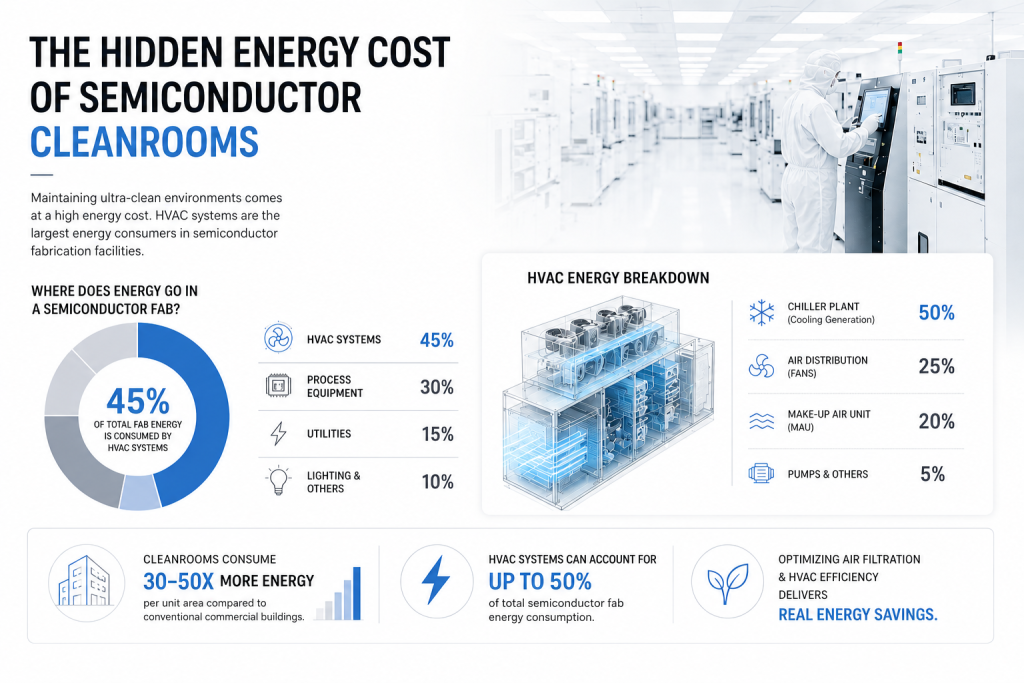
Figure 1: Energy Consumption in Semiconductor Fabrication Process
Cleanrooms must continuously move large volumes of filtered air. Airflow is not used only for comfort. It is used to control particles, maintain pressure relationships, remove heat loads, and protect process integrity. This makes semiconductor cleanrooms much more energy intensive than typical commercial buildings.
For manufacturers, this creates a difficult balance. Cleanrooms must remain clean and stable, but the energy required to maintain those conditions can be costly. Improving semiconductor HVAC filtration efficiency is therefore crucial for reducing operating costs, improving system reliability, and supporting decarbonization goals.